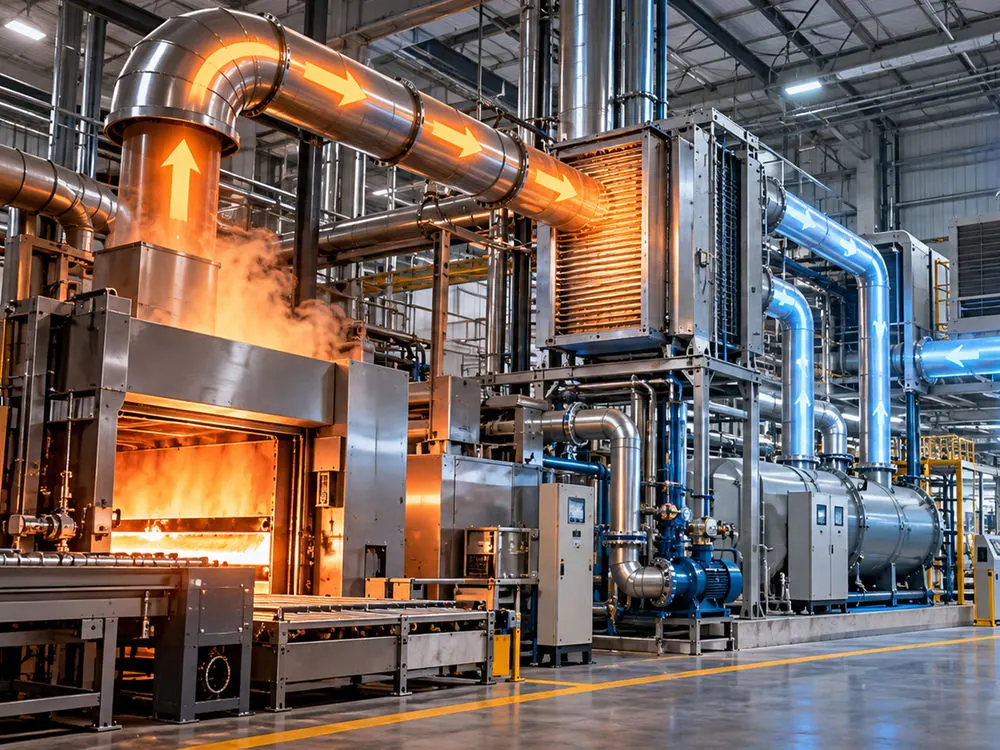
Industrial process cooling
Machinery, process lines and work zones, cooled from heat they already vent.

R&D and engineering · Clean energy · Cooling
A sealed CO₂ sublimation cycle that turns waste heat into cooling and power.
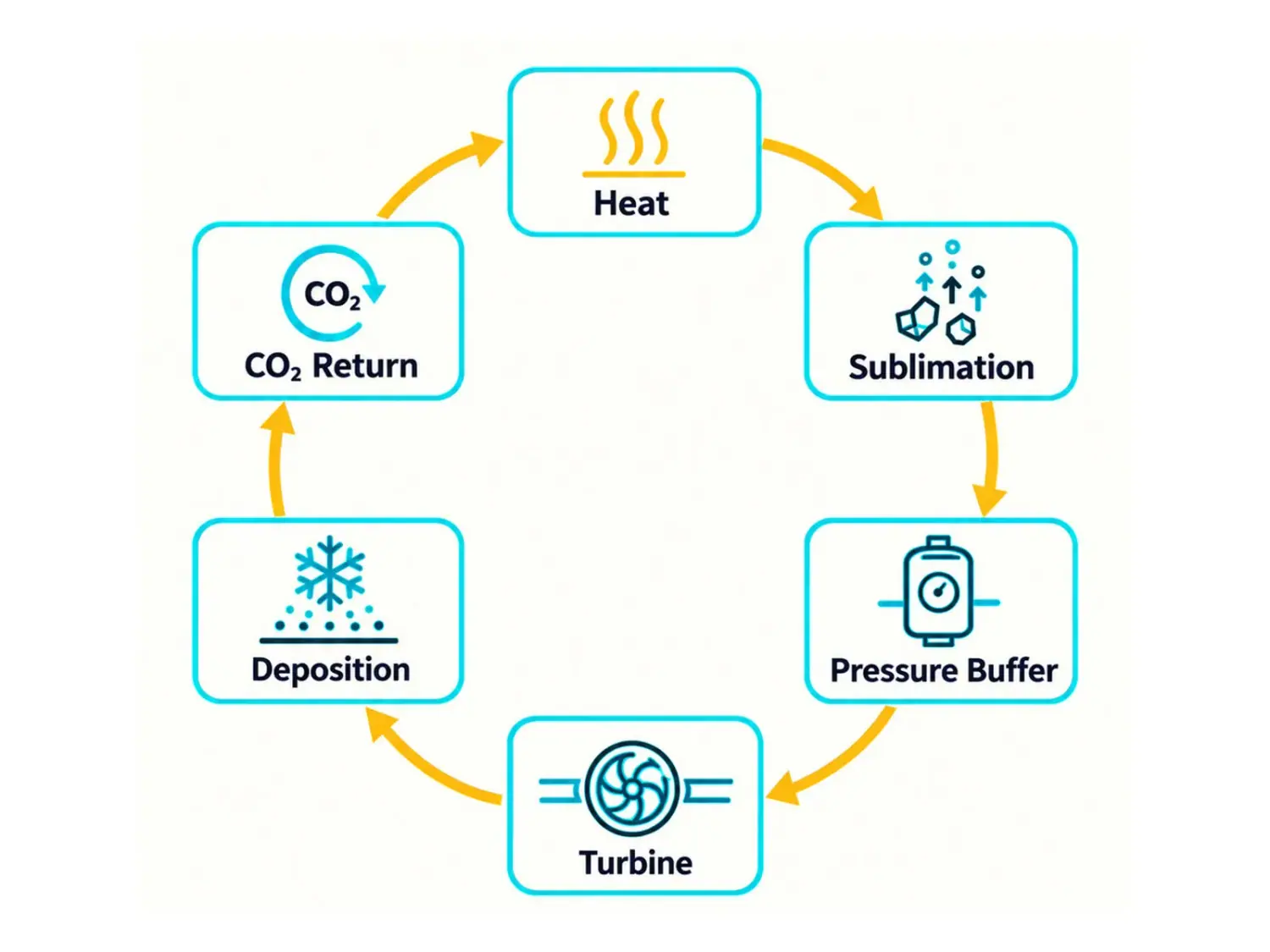
Solid CO₂ sublimates, expands through a turbine and deposits back to solid, no refrigerants, no compressors, no working fluid lost. Engineered, simulated, prototyped and tested by Enigmasoft.
Overview
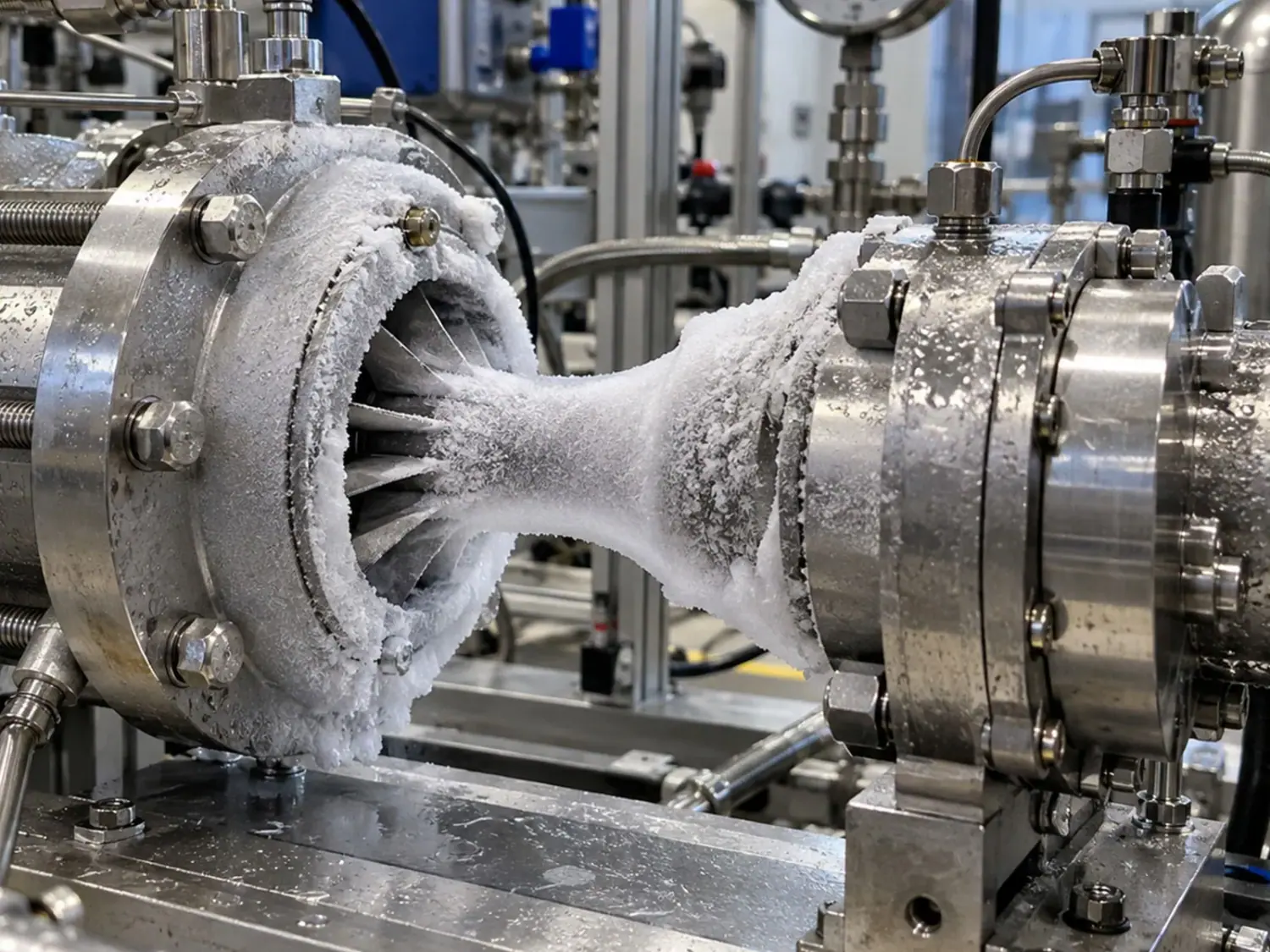
SSCCO2T is a closed-loop thermodynamic cycle that uses the natural sublimation and deposition of carbon dioxide to turn low-grade heat, ambient, industrial waste heat or geothermal, into pressure, mechanical work and cooling. Solid CO₂ sublimates in a sealed chamber, the gas expands through a turbine, and the cold exhaust deposits back into solid CO₂, so no working fluid is lost.
Enigmasoft leads the engineering, simulation, prototyping and testing behind the SSCCO2T Cooling programme.
Key results
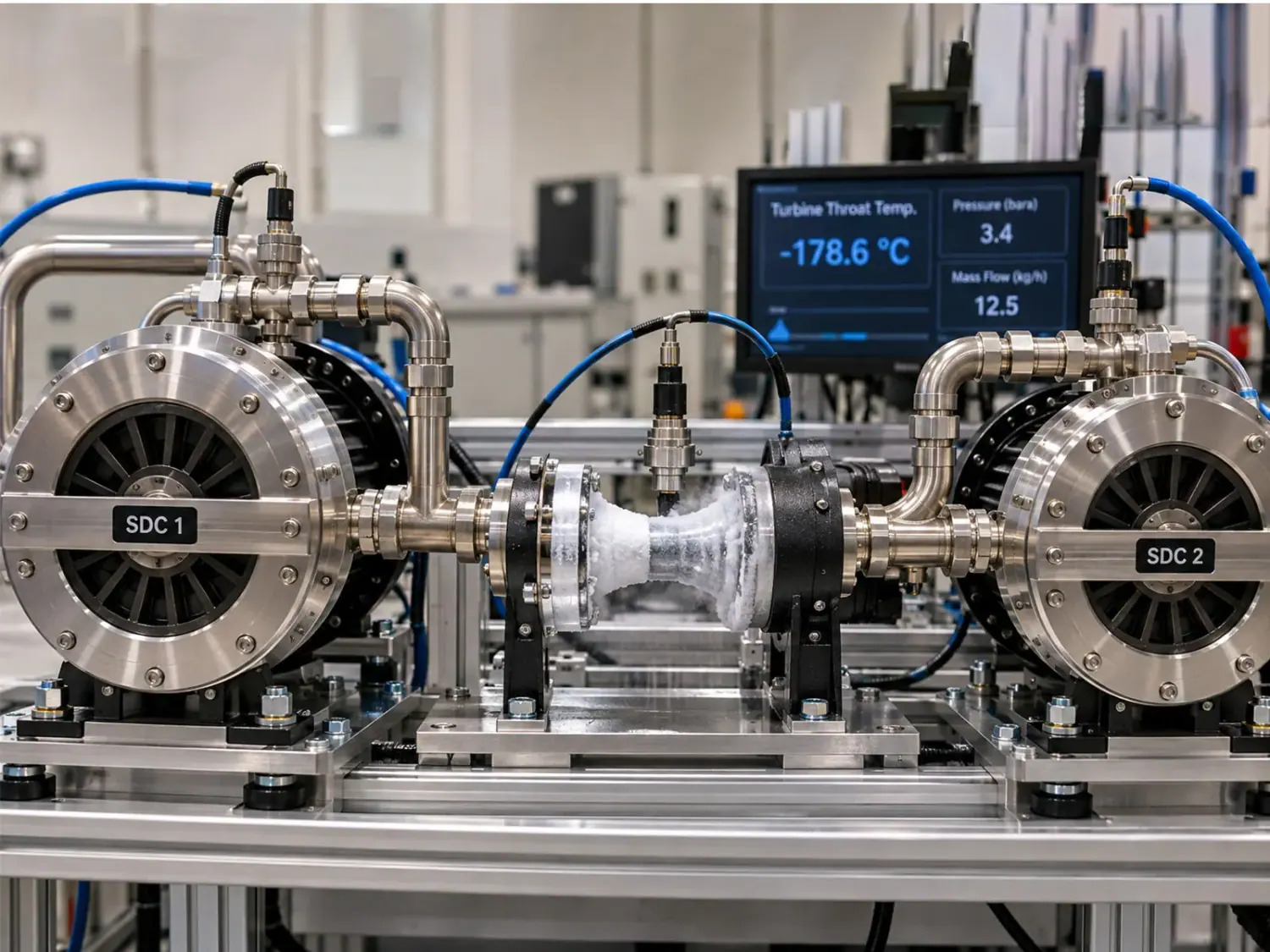
cold-loop temperature reached in bench testing
Bench test
thermal gradient driven by ambient-temperature water, no electric heating
Bench test
synthetic refrigerants or compressors in the cycle
By design
The challenge
Most cooling still depends on electrically driven vapour-compression systems that use synthetic refrigerants, energy-hungry compressors and frequent maintenance. They need stable grid power, lose efficiency as ambient temperatures rise, and can't use the large amounts of low-grade heat industry vents every day. Conventional heat engines, meanwhile, need high temperatures to do useful work.
The challenge was to engineer a cycle that runs on modest heat sources, without combustion, refrigerants or compressors, while recovering all of its working fluid.
Our solution
Inside the build
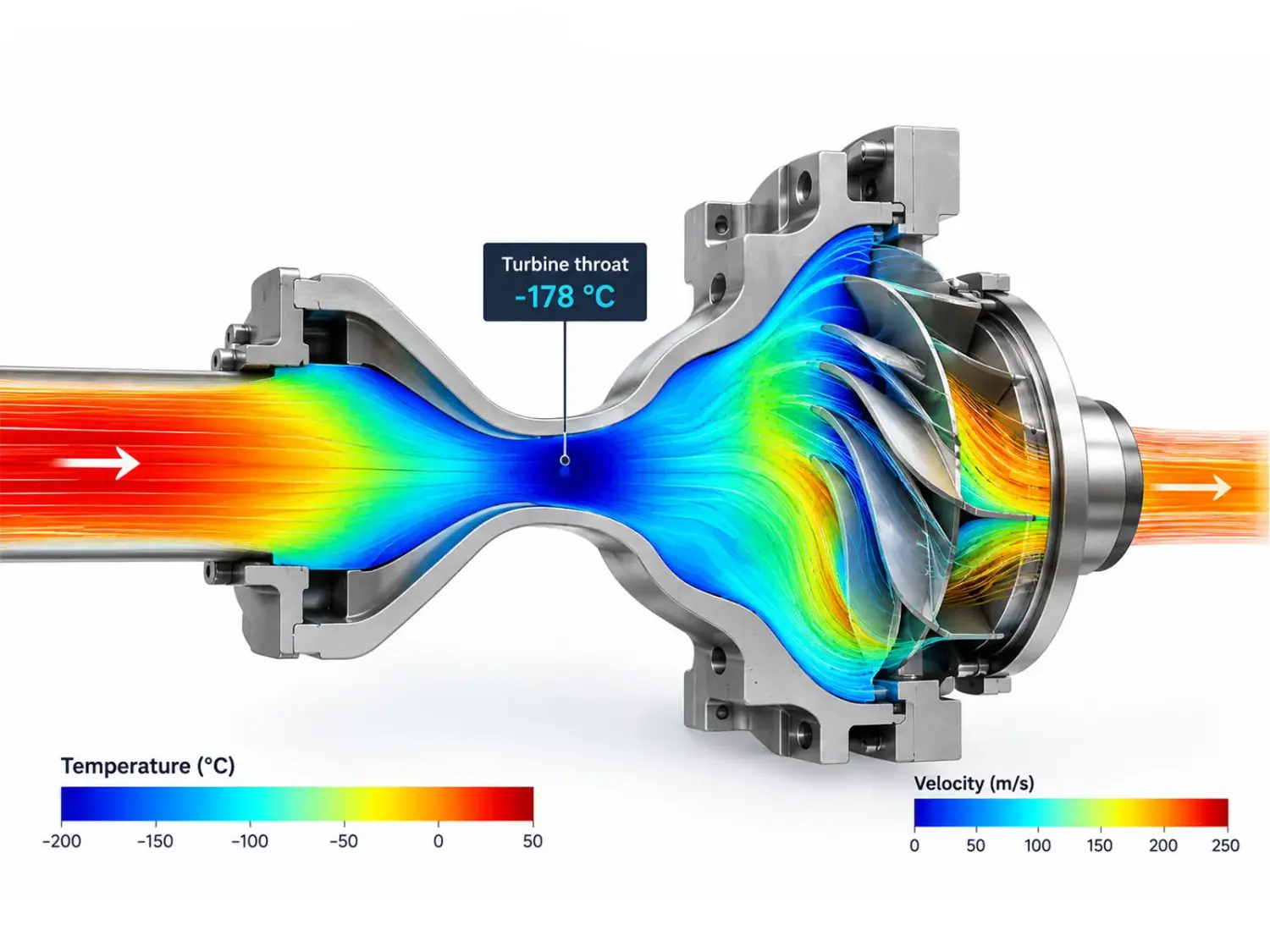
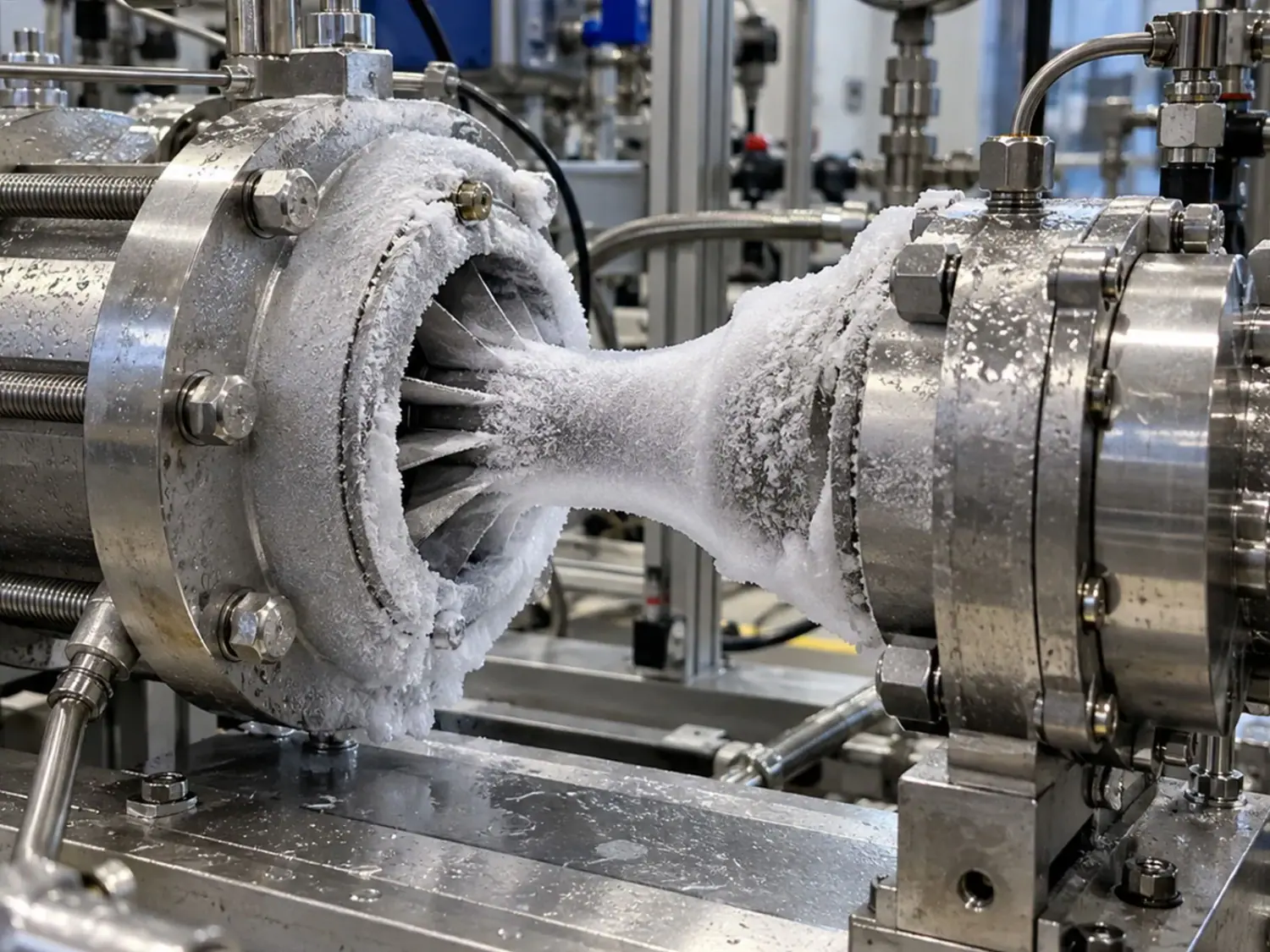
Technology and tools
Applications
Machinery, process lines and work zones, cooled from heat they already vent.
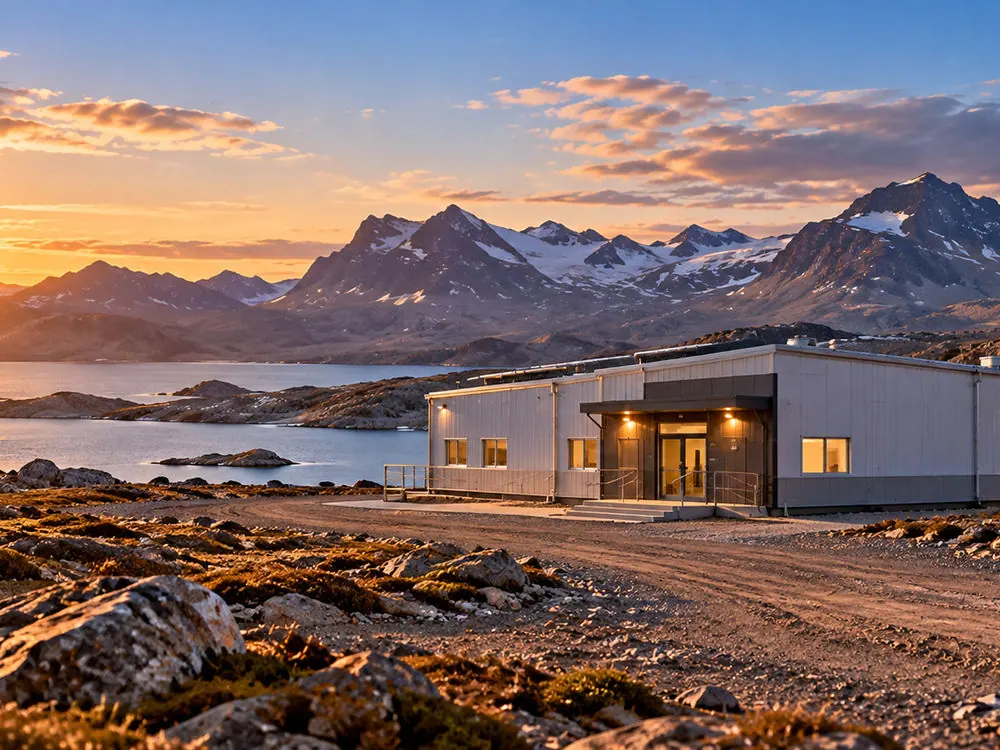
Shelters, remote stations and agricultural storage where grid power is scarce.

Tower and field-equipment cooling in hot climates, without added grid draw.
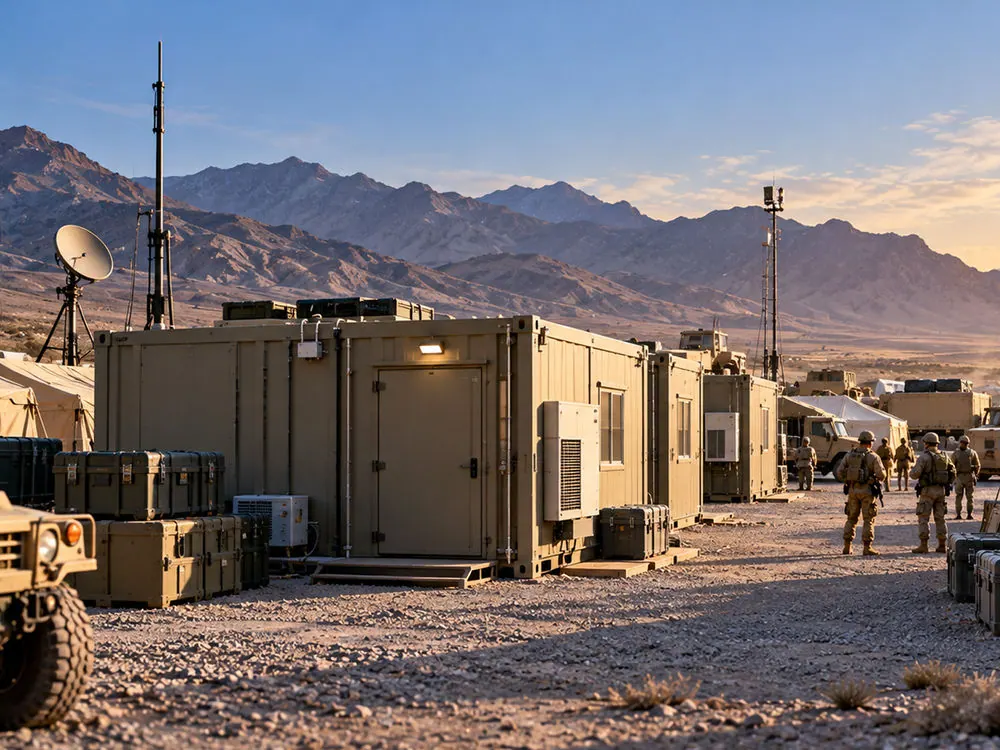
Containerised temperature control for shelters in austere environments.
Start with a fixed-scope discovery sprint. You own the technical plan outright, whether or not we build the next stage together.
Accessibility
Saved on this device.
Text size